
If you’ve just sanded your floors back to their beautiful bare timber, you’re standing at an exciting crossroads:
Which timber flooring finish should I choose?
The best finish options for refinished timber floors in Melbourne include water-based polyurethane (low-VOC, quick-dry), oil-based polyurethane (rich colour, high durability), penetrating oils (natural look, easy maintenance), and matte or satin finishes for modern appeal. Each option offers different levels of shine, durability, and upkeep—perfect for herringbone wooden flooring or classic timber floors.
The best finish for hardwood timber flooring or engineered timber will depend on your lifestyle, design goals, and Melbourne’s unique climate. Whether you’re creating a sleek bayside retreat in Brighton, restoring a Victorian terrace in Fitzroy, or building a family home in Point Cook, the right finish will bring out your timber’s natural beauty while making it last for decades.
In this guide, we’ll break down every option — from water-based polyurethane to hardwax oils — so you can make a confident choice for your home. We’ll also explore how finishes affect appearance, maintenance, and performance, with expert tips tailored to Melbourne living.
Why Your Timber Floor Finish Matters
Refinishing your timber floors is more than just a facelift — it’s about protecting your investment for years.
Whether you own a heritage Victorian home in Carlton, a modern apartment in Southbank, or a coastal retreat on the Mornington Peninsula, choosing the best finish for hardwood timber flooring will decide:
How your floors look — colour tone, sheen, and depth
How they feel underfoot
How long they last in Melbourne’s climate
How easy they are to maintain
In this guide, I’ll walk you through all the top finish options, their pros and cons, and which works best for different home styles — so you’ll know exactly how to keep your floors looking stunning.
What is a Timber Floor Finish?

A timber floor finish is the protective coating applied to the surface of a wooden floor after it has been sanded or installed.
It serves two main purposes:
Protection – Seals the timber to guard against scratches, stains, moisture, and UV damage.
Aesthetics – Enhances the natural beauty, colour, and texture of the wood, and allows you to choose a sheen level (matte, satin, gloss).
The main categories when choosing the best finish for timber flooring are:
Water-based polyurethane
Oil-based polyurethane
Hardwax oils and penetrating oils
Matte and satin hybrid finishes
Main Types of Timber Floor Finishes
Let’s explore the top options, their pros, cons, and how they work for Melbourne homes.
1. Water-Based Polyurethane

What it is:
A clear synthetic coating that forms a hard, protective film over the timber. It’s water-based, so it has lower VOCs (volatile organic compounds) than oil-based products.
Appearance:
Clear, non-yellowing finish.
Available in matte, satin, or gloss sheens.
Keeps light timbers like European oak or blackbutt looking fresh.
Advantages:
Fast drying – typically 2–4 hours per coat.
Low odour – better for indoor air quality.
Non-yellowing – maintains natural timber tone.
Easy maintenance – resists scuffing in moderate traffic areas.
Disadvantages:
Slightly less durable than oil-based in heavy traffic.
Needs more coats (usually 3–4) for optimal protection.
Best for:
Modern homes
Families with allergies or pets
Light timber species that you don’t want to darken
2. Oil-Based Polyurethane
What it is:
A solvent-based finish that penetrates into the timber and cures to a durable surface film.
Appearance:
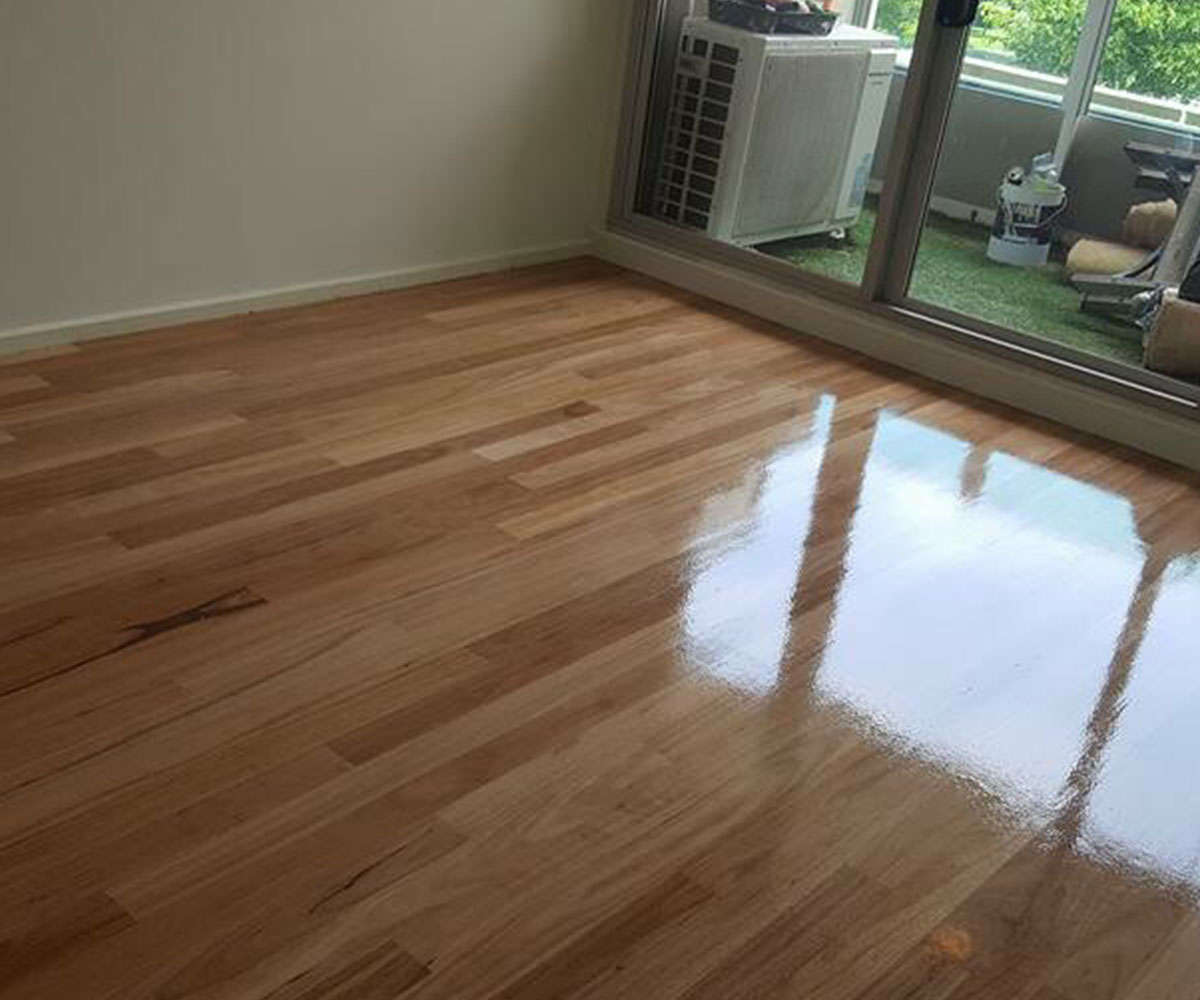
Warm, amber tone that deepens the timber’s natural colour.
Popular for enhancing rich timbers like jarrah, spotted gum, and darker oaks.
Advantages:
Exceptional durability – withstands heavy wear.
Longer recoat life – 7–10 years before major refinishing.
Enhances grain – rich, warm visual appeal.
Disadvantages:
Longer drying time – 12–24 hours per coat.
Higher VOCs – strong smell during application.
Yellows over time – less suited for very pale timbers.
Best for:
High-traffic households
Heritage-style homes
Homeowners who like a warm, traditional look
3. Hardwax Oils
What it is:
A blend of natural oils and waxes that penetrate timber and form a breathable, matte protective layer.
Appearance:
Soft, natural look that feels warm underfoot.
Low to no sheen; perfect for “raw wood” style.
Advantages:
Spot-repairable – touch up small areas without sanding the whole floor.
Breathable – allows natural expansion and contraction of timber.
Low VOC – good for indoor environments.
Natural feel – timber feels warm and textured.
Disadvantages:
Requires more frequent maintenance (recoat every 2–3 years in high traffic).
Not as scratch-resistant as polyurethane.
Best for:
Herringbone or parquet floors (where spot repairs are handy).
Homeowners wanting a natural, organic aesthetic.
Homes where moisture control and breathability matter.
4. UV-Cured Finishes
What it is:
A modern finishing system where the coating is hardened instantly under ultraviolet light.
Appearance:
Can be matte, satin, or gloss depending on choice.
Often used in prefinished boards but available for some on-site applications.
Advantages:
Instant cure – floors ready to use the same day.
Extremely durable – highly scratch and chemical resistant.
Low VOC – minimal odour after application.
Disadvantages:
Higher initial cost.
Limited contractors offer on-site UV-curing in Melbourne.
Best for:
Busy households needing minimal downtime.
Commercial spaces.
Clients wanting maximum wear resistance.
5. Penetrating Oils (Traditional Oils)
What it is:
Natural oils like tung or linseed that penetrate deep into the timber fibres.
Appearance:
Richens timber colour subtly.
Very low sheen, natural look.
Advantages:
Easy to apply and reapply.
No peeling or flaking — wears gradually.
Disadvantages:
Low surface protection — needs regular reapplication.
Less resistant to water and chemicals.
Best for:
Period restorations.
Low-traffic areas.
Timber species with beautiful grain you want to showcase.
6. Sheen Level Options: Matte vs Satin vs Gloss
When selecting the best finish for timber flooring, it’s not just about the product type — the sheen level you choose can dramatically change the look and maintenance requirements of your floor.
Matte Finish
Appearance: <10% gloss, natural and understated.
Pros: Hides dust and scratches well, non-slip, modern aesthetic.
Cons: Can make dark floors look slightly flat.
Best For: Busy households, pet owners, coastal or Scandinavian styles.
Satin Finish
Appearance: Medium sheen (30–40% gloss) with a soft glow.
Pros: Versatile, enhances timber grain, works across design styles.
Cons: Shows some footprints and minor scratches.
Best For: Homes wanting balanced elegance and practical upkeep.
Gloss Finish
Appearance: High sheen (70–90% gloss) with maximum light reflection.
Pros: Luxurious, formal look; makes colours pop.
Cons: Highlights every mark, scratch, and speck of dust.
Best For: Heritage restorations or formal entertaining spaces.
Quick Melbourne Climate Tip
Because Melbourne’s humidity swings can cause timber movement, finishes that allow for breathability (like hardwax oils) or offer maximum sealing (like water-based polyurethane) are most common. For beachside or bayside suburbs, a UV-stable finish is crucial to resist sun damage.
Key Factors for Choosing the Best Timber Floor Finish in Melbourne Homes

In Melbourne, the best timber floor finish depends on your lifestyle, sunlight exposure, humidity, style preference, and how much maintenance you’re willing to do. Busy families often choose matte or satin for durability and low upkeep, while heritage homes may opt for gloss for a formal look.
1. Foot Traffic & Lifestyle
Busy households with kids and pets need finishes that hide scratches and scuffs. Matte and satin finishes tend to show less wear than high-gloss.
If you regularly entertain, a satin or gloss finish can add visual impact — but be ready for more frequent cleaning.
For low-traffic spaces, you can choose almost any finish without worrying about durability as much.
Real-world tip: A family in St Kilda with two large dogs saw fewer visible scratches after switching from a high-gloss polyurethane to a matte hardwax oil finish.
2. Sunlight Exposure
Melbourne homes, especially in bayside suburbs like Brighton or Port Melbourne, get a lot of direct sunlight. This can cause some finishes to yellow or fade over time.
Water-based polyurethane is UV-stable and resists yellowing, while oil-based finishes develop a warmer patina.
If your floor gets strong afternoon sun, consider a matte or satin finish to reduce glare.
3. Humidity & Temperature Changes
Coastal and inner-city homes can experience fluctuations in humidity, especially during summer storms or winter heating.
Engineered timber flooring with a water-based finish offers greater stability than solid timber with an oil-based coating in these conditions.
Avoid steam mopping — even “waterproof” finishes can’t handle prolonged heat and moisture.
4. Interior Style & Aesthetic Goals
Modern minimalist: Matte finish with pale European Oak.
Heritage home: Gloss or satin finish with rich stains like walnut or jarrah.
Coastal vibe: Whitewashed matte finish to reflect natural light softly.
Industrial chic: Low-sheen finish with darker tones like Smoked Oak or Spotted Gum.
5. Maintenance Preferences
If you want low-maintenance floors, matte or satin hides marks better, reducing cleaning frequency.
Gloss finishes look stunning but demand more upkeep — every footprint and smudge will show.
Oil finishes are easy to spot-repair but may require more regular recoating compared to polyurethane.
Best Finish for Hardwood Timber Flooring in Melbourne Homes

When deciding the best finish for hardwood timber flooring, consider:
1. Timber type:
- Light timbers benefit from water-based polyurethane to maintain colour
- Dark timbers pair beautifully with oil-based polyurethane for richness
2. Lifestyle:
- Busy families or pet owners may prefer durable oil-based or satin finishes
- Those wanting low chemical exposure might choose hardwax oils
3. Interior design:
- Matte and satin suit contemporary styles
- Gloss works for formal spaces and heritage aesthetics
Cost of Different Timber Floor Finishes in Melbourne
| Finish Type | Price per m² (Supply & Apply) | Notes |
|---|---|---|
| Water-Based Polyurethane | $35–$50 | Premium brands cost more |
| Oil-Based Polyurethane | $30–$45 | Long-lasting, fewer coats needed |
| Hardwax Oils | $35–$55 | Includes buffing |
| Specialty Matte/Satin | $40–$60 | Designer finishes at a premium |
Factors affecting cost:
Timber species
Board width
Subfloor preparation
Staining or custom finishes
How Can You Maintain a Timber Floor Finish for Long-Lasting Beauty?
For any finish:
Use felt pads under furniture
Sweep or vacuum regularly (avoid beater bars)
Mop with a damp, not wet, mop
Recoat before the protective layer wears through
FAQs
1. What is the best finish for timber flooring in Melbourne?
The best finish depends on your lifestyle and style preferences. Matte or satin finishes work well for busy households as they hide scratches, while gloss offers a luxurious look for formal spaces. Water-based polyurethane is popular in Melbourne for its durability and UV stability.
2. How long does a timber floor finish last?
A quality finish can last 5–10 years before recoating, depending on traffic and care. High-traffic areas like hallways may need touch-ups sooner.
3. Can I change the finish on my timber floors?
Yes. You can sand back the existing finish and apply a new one, whether changing from gloss to matte or switching from oil-based to water-based polyurethane.
4. How do I maintain my timber floor finish?
Vacuum or sweep regularly, use furniture pads, wipe spills immediately, and avoid steam mops. Recoat every few years to maintain protection and appearance.
5. Does humidity affect timber floor finishes in Melbourne?
Yes. Melbourne’s changing humidity can cause timber movement. Engineered timber with a water-based finish offers better stability than solid timber with oil-based coatings.
6. Can I DIY a timber floor finish?
It’s possible but challenging. Professional sanding and finishing deliver better results, especially for even sheen and long-lasting protection.
7. How much does it cost to refinish timber floors in Melbourne?
Expect to pay around $50–$80 per m² for sanding and finishing, depending on the finish type, timber species, and subfloor condition.
Bring Out the Best in Your Timber Floors with CB Timber Floors
At CB Timber Floors, we specialise in professional timber floor sanding and polishing that brings out the best in your floors. We combine premium finishes with skilled craftsmanship to protect your floors and enhance their natural beauty for years to come.
Why choose us?
Precision sanding for a flawless surface
Premium finish options tailored to Melbourne’s climate
Dust-minimising equipment for a cleaner home
Expert advice on the best finish for timber flooring in your space
Get Your Free On-Site Quote Today
Visit: cbtimberfloors.com.au
or Call (03) 9303 9761 — Melbourne’s trusted timber flooring specialists.


