
When it comes to designing or renovating a commercial space, flooring is often an overlooked yet critical decision. The floor sets the tone of your environment, influences customer impressions, and affects the daily experience of employees and visitors alike. Amid a sea of options, timber flooring stands out as a timeless, practical, and stylish choice. Combining durability with natural beauty and sustainability, timber flooring is fast becoming a go-to solution for business owners looking to enhance both form and function in their spaces.
Now, CB Timber Floors explores why timber flooring is a smart choice for commercial spaces, from its robust performance to its aesthetic impact and environmental benefits.
Why Timber Flooring is a Smart Choice for Commercial Spaces
1. Durability & Longevity
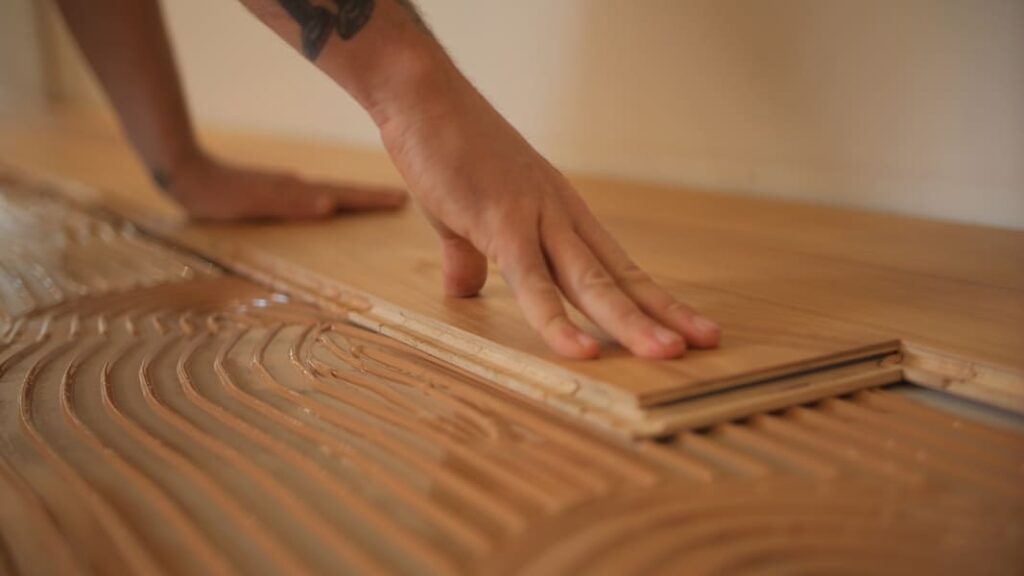
Timber flooring, especially from hard species like oak, maple, and hickory, is renowned for its strength. These woods are naturally resistant to the wear and tear of heavy foot traffic, rolling carts, or even the occasional dropped item — all common in commercial environments. When treated with modern finishes such as polyurethane or aluminum oxide, timber floors become even more resistant to scratches, UV rays, and moisture.
With proper care and installation, timber flooring can last decades, outliving many alternative surfaces. For commercial spaces where high-traffic endurance and long-term ROI are crucial, this longevity makes timber an intelligent choice.
2. Aesthetics & Brand Atmosphere
The visual appeal of timber flooring cannot be overstated. It exudes warmth, professionalism, and sophistication, all of which contribute to a welcoming brand image. Whether you’re curating a sleek modern office, a cozy boutique, or a high-end restaurant, the natural textures and grains of timber help define your aesthetic.
The versatility in species, stains, and finishes — from golden oaks to rich walnuts — allows businesses to match their flooring to their brand identity. Plus, the creative use of planks and patterns (like herringbone or chevron) provides visual interest and subtle zoning in open-plan spaces.
3. Maintenance & Cleanliness
Unlike carpets, which can harbor dust, allergens, and stains, timber flooring is easy to clean and maintain. Regular sweeping or vacuuming, coupled with occasional damp mopping, is usually enough to keep floors looking pristine. For commercial spaces that value cleanliness — like clinics, cafes, or retail stores — this ease of maintenance is a key advantage.
Over time, instead of replacing worn flooring entirely, timber can be refinished to restore its original luster. This not only extends the life of the floor but also reduces long-term maintenance costs.
4. Acoustics & Comfort
Noise control is a concern in many commercial settings. With the addition of the right underlay, timber flooring can significantly reduce impact noise. This makes it ideal for offices, libraries, or hospitality venues where calm and quiet are valued.
Moreover, timber provides a comfortable surface underfoot — warmer and more forgiving than tile or concrete — improving the day-to-day experience for employees and customers.
5. Health & Indoor Environment
Timber flooring contributes to a healthier indoor environment. It doesn’t trap dust, pollen, or other allergens, making it a hypoallergenic option for commercial interiors. In sectors such as healthcare, education, or wellness, where air quality matters, this can be a crucial benefit.
Additionally, wood has hygroscopic properties, helping to regulate indoor humidity by absorbing and releasing moisture as needed. This natural balance contributes to comfort and reduces the risk of mold or mildew growth.
6. Sustainability & Green Credentials
More than ever, businesses are prioritizing sustainability. Timber flooring, when responsibly sourced, is a renewable material that contributes to greener building practices. It stores carbon throughout its life, thereby reducing the overall carbon footprint of your commercial space.
Engineered wood flooring — made using layers of less valuable wood topped with a hardwood veneer — maximizes material use and resists warping, especially in climate-controlled environments. Opting for FSC-certified products or reclaimed timber further enhances your environmental credentials, which can be a marketing asset in eco-conscious markets.
7. Types & Technical Choices
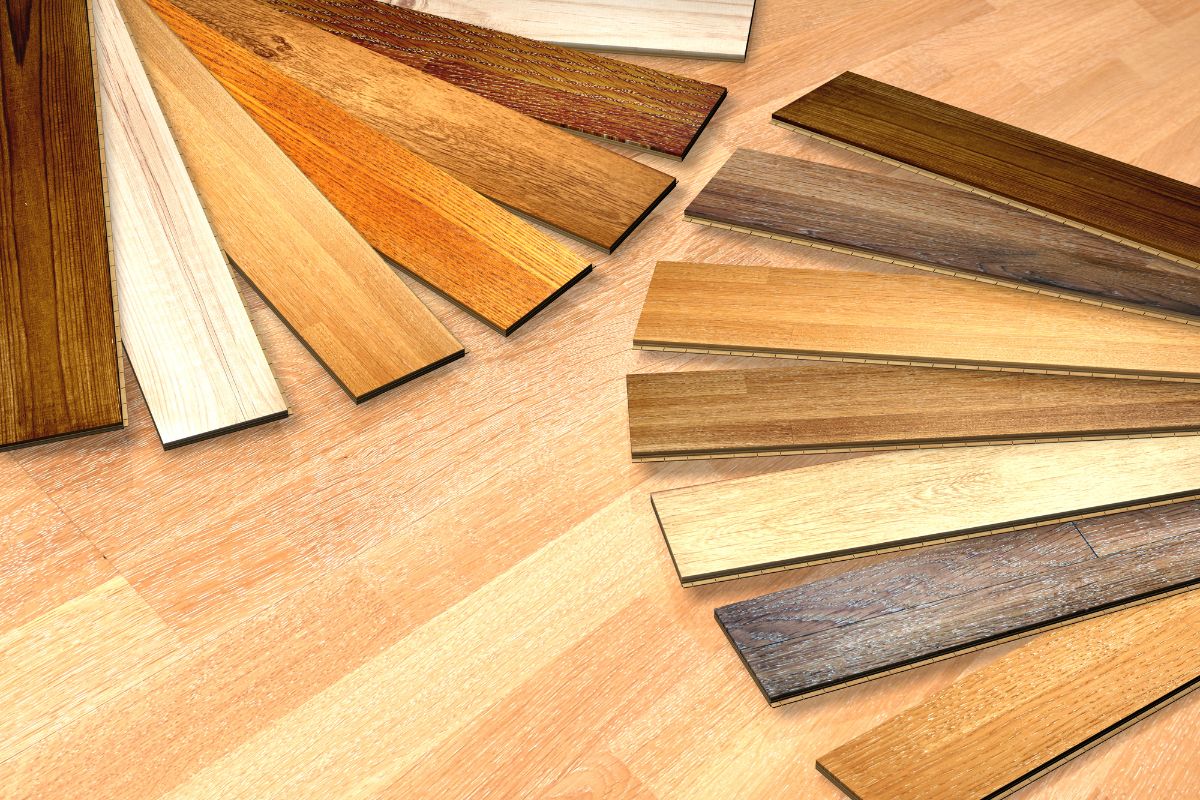
When choosing timber flooring, businesses can opt between solid hardwood and engineered wood:
- Solid Hardwood: Made from a single piece of timber, solid hardwood is prized for its authenticity and the ability to be refinished multiple times. However, it’s more susceptible to moisture and temperature changes, making it best suited for stable indoor climates.
- Engineered Hardwood: Comprising a hardwood top layer over plywood or HDF core, engineered wood is dimensionally stable and often more cost-effective. It’s ideal for spaces prone to moisture fluctuations or those needing quick installation.
Businesses should also consider factors such as finish (e.g., UV-cured, oil-based, or water-based), wear layer thickness, and installation methods (click-lock systems, glue-down, or floating).
8. Installation & Cost Considerations
Timber flooring installation requires professional expertise, particularly in commercial settings where downtime affects business operations. Engineered timber with click-lock systems can significantly reduce installation time and business disruption.
While the upfront cost of timber flooring may be higher than vinyl or carpet, its durability, low maintenance, and timeless appeal translate into lower lifetime costs. For businesses, this means long-term savings and better overall value.
- Case Studies & Real-World Applications
- Retail Spaces: Timber flooring enhances the customer experience by creating a warm, inviting ambiance. Boutiques and department stores often use wide-plank wood to elevate visual appeal.
- Hospitality Venues: From restaurants to boutique hotels, timber creates a luxurious, comforting feel that supports guest satisfaction.
- Corporate Offices: Open-plan offices benefit from acoustic control, durability, and professional aesthetics timber provides.
- Studios & Wellness Centers: The organic texture and comfort underfoot make timber ideal for yoga studios, salons, and wellness spaces.
These examples highlight how versatile and valuable timber flooring is across industries.
Maintenance Tips & Best Practices
Maintaining timber flooring in commercial environments doesn’t have to be complicated, but it does require consistency and proper care. Here are key maintenance tips and best practices to ensure longevity and visual appeal:
- Daily Cleaning: Use microfiber mops or soft-bristle brooms to remove dust and grit. Dirt particles can act like sandpaper and cause scratches over time.
- Spill Management: Clean spills immediately using a damp (not wet) cloth to prevent moisture from seeping into seams or joints. Avoid harsh chemical cleaners — opt for pH-neutral solutions recommended by the flooring manufacturer.
- Climate Control: Maintain consistent humidity (ideally 35%–55%) using HVAC systems or humidifiers/dehumidifiers. This prevents expansion or contraction of timber planks.
- Polishing & Refinishing: Depending on foot traffic, polish floors every 1–2 years to restore gloss. Full refinishing (sanding and sealing) may be needed every 5–10 years, especially for solid hardwood.
- Professional Inspections: Schedule periodic checks with a flooring specialist to assess for early signs of wear, water damage, or loose planks.
- Avoid Over-Wetting: Never use steam cleaners or excessive water. Moisture is timber’s enemy and can lead to swelling, warping, or mold.
By following these best practices, businesses can protect their investment and preserve the beauty, safety, and functionality of timber flooring for decades to come.
Conclusion
Timber flooring is more than just a design element — it’s a smart investment in the longevity, aesthetics, sustainability, and comfort of your commercial space. Whether you’re designing a new retail environment or upgrading a high-traffic office, timber offers unmatched benefits that justify its place in any forward-thinking commercial setting.
By choosing timber, you’re not only elevating your space but also aligning your brand with quality, sustainability, and lasting value. It’s a decision that looks good, feels right, and pays off for years to come.


