
A new floor purchase may be challenging and pricey. Because of this, it’s crucial to make sure you purchase and install wooden flooring with long-lasting quality assured. It is especially true for engineered wood flooring, which often costs more than a normal laminate or vinyl floor.
So, what are the key elements that affect the longevity of your floors, and how long should it last? There is no definitive answer to how long your timber floor should endure. However, considering a few factors should provide a good estimate of the general lifespan of timber flooring.
What Is Timber Flooring?

Timber flooring refers to floorboards made from real wood—either solid hardwood or engineered wood. It is popular for its natural beauty, warmth, and the ability to be sanded and refinished multiple times. Timber floors are a long-term investment that can add significant value to your property.
There are two main categories:
Solid Timber Flooring: Made from single pieces of hardwood.
Engineered Timber Flooring: Made from a top layer of hardwood bonded over layers of plywood or HDF.
Read more: Solid vs. Engineered Timber Flooring: Which is Better for Your Melbourne Home?
How Long Can Timber Flooring Last?
The average lifespan of timber flooring ranges between 20 to over 100 years, depending on the type of timber, quality of installation, level of maintenance, and environmental conditions. The lifetime of wood flooring may be shortened by significantly damaging unprotected flooring, choosing softer woods, and not maintaining them.
| Timber Flooring Type | Average Lifespan |
|---|---|
| Solid Hardwood Timber | 50 – 100+ years |
| Engineered Timber | 20 – 50 years |
| Reclaimed Timber | 30 – 70 years |
| Bamboo (technically grass) | 20 – 30 years |
Types of Timber Flooring and Their Durability
1. Solid Hardwood Flooring

Solid hardwood is the gold standard in durability. Common Australian species include Spotted Gum, Blackbutt, and Jarrah. These woods are naturally dense and resistant to wear.
Lifespan: Up to 100+ years
Durability: Extremely high
Refinishing: Can be sanded 5–10 times
2. Engineered Timber Flooring

Engineered timber offers the beauty of hardwood with added stability. It’s constructed from multiple layers, making it more resistant to humidity and temperature changes.
Lifespan: 20–40 years
Durability: Moderate to high
Refinishing: 1–3 times (depends on top layer thickness)
3. Reclaimed Timber Flooring

This eco-friendly option uses salvaged wood from old buildings. It has a unique, rustic charm but may have hidden wear.
Lifespan: 30–70 years
Durability: Varies by species
Refinishing: Usually refinished before installation
4. Bamboo Flooring
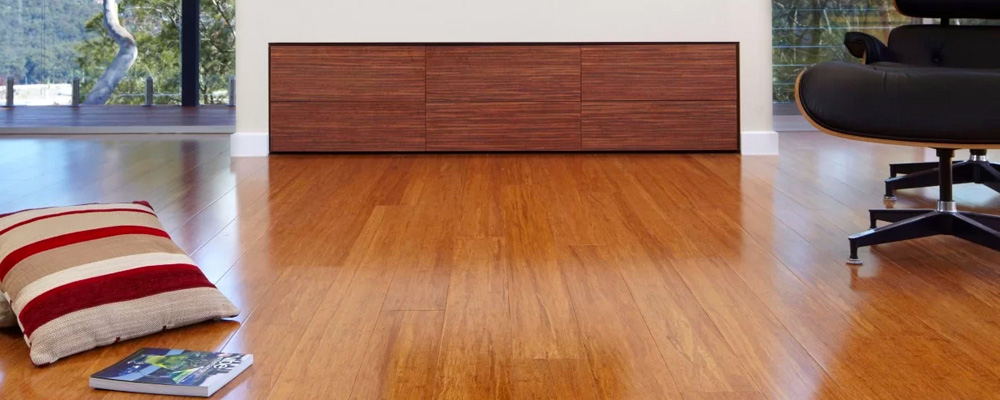
While technically a grass, bamboo is often included in timber flooring comparisons. Strand-woven bamboo is especially durable.
Lifespan: 20–30 years
Durability: Moderate to high
Refinishing: Limited
Read more: Bamboo vs. Reclaimed Timber Floor: Which is More Sustainable?
Factors That Affect Timber Flooring Longevity
Timber flooring is known for its durability, but how long it truly lasts depends on a combination of internal material properties and external environmental conditions. Below are the most critical factors that influence the lifespan of timber flooring, along with expert insights on how each one impacts longevity:
1. Wood Species and Hardness
The type of timber used significantly affects durability. Hardwoods such as Spotted Gum, Jarrah, Ironbark, and Blackbutt have higher resistance to denting, scratching, and wear. These are especially suitable for high-traffic areas.
Janka Hardness Rating: This industry-standard test measures the resistance of wood to denting. The higher the score, the more durable the wood.
Softwoods (like Pine) are more prone to wear and tear and generally have shorter lifespans unless used in low-traffic areas.
Tip: Always consider the Janka rating when choosing timber for your floors—especially if you have kids or pets.
2. Quality of Installation
Even the highest-grade timber can fail prematurely if not installed properly.
Improper acclimatization before installation can lead to expansion or contraction.
Incorrect subfloor leveling can cause creaks, gaps, or board movement.
Inadequate adhesives or fasteners may cause boards to come loose over time.
Best Practice: Use certified and experienced installers who follow manufacturer-recommended guidelines, including moisture testing and proper expansion gaps.
3. Subfloor and Underlayment Conditions
The subfloor is the foundation for your timber floor. Its condition can make or break your flooring longevity.
A moist or uneven subfloor leads to warping, cupping, or cracking.
Poor underlayment choices can reduce shock absorption and sound insulation, leading to faster wear.
Solutions:
Ensure the subfloor is dry, clean, and level.
Use a moisture barrier or quality underlay to protect the timber from rising dampness.
4. Climate and Humidity Levels
Timber is a natural material that reacts to its environment. It expands in high humidity and contracts in dry conditions.
Too much humidity causes swelling, cupping, and mold.
Low humidity causes shrinkage and cracking.
Frequent fluctuations can weaken the joints between planks.
Tip: Maintain indoor humidity between 35–55%. In humid climates, use a dehumidifier. In dry areas, consider a humidifier or proper HVAC regulation.
5. Foot Traffic and Usage Patterns
Areas like hallways, kitchens, and living rooms endure more foot traffic, which accelerates surface wear.
High heels, pet claws, and moving furniture can scratch or dent the wood.
Commercial spaces or busy households will experience faster wear compared to quiet, low-traffic homes.
Recommendations:
Use rugs in high-traffic zones.
Install floor protectors on furniture.
Encourage a no-shoes policy indoors.
6. Sunlight and UV Exposure
Direct sunlight can cause timber floors to fade, discolor, or even dry out and crack over time.
Lighter timbers show discoloration faster than darker ones.
UV exposure breaks down the finish and the wood surface.
Solutions:
Install UV-blocking window films, curtains, or blinds.
Rearrange rugs and furniture periodically to avoid uneven fading.
Use UV-resistant sealants or finishes for added protection.
7. Moisture and Water Exposure
Water is one of the biggest threats to timber floors. Even small spills, if left uncleaned, can cause damage over time.
Spills, wet mopping, plumbing leaks, or indoor plants without saucers can all lead to warping and staining.
Kitchens and bathrooms, unless specially treated, are risky areas for timber.
Prevention Tips:
Wipe up spills immediately.
Avoid wet mops—use damp or microfiber mops instead.
Use moisture-resistant finishes or consider engineered timber for moisture-prone zones.
8. Cleaning and Maintenance Practices
How you clean and care for your floor plays a pivotal role in its lifespan.
Using harsh chemicals or excessive water can damage the protective finish.
Neglecting regular cleaning allows abrasive dirt and grit to scratch the surface.
Best Practices:
Sweep or vacuum regularly with a soft-bristle attachment.
Use wood-specific floor cleaners.
Reapply protective finishes every few years, as needed.
9. Type of Finish Used
The finish acts as a protective layer over the timber. The quality and type of finish determine how well your flooring resists damage.
Water-based polyurethane finishes are environmentally friendly and fast-drying but may be less durable.
Oil-based finishes offer deeper protection but take longer to dry.
UV-cured finishes provide excellent resistance to wear and are ideal for high-traffic areas.
Tip: Recoat your floors before the finish wears through completely to avoid costly sanding or replacement.
10. Presence of Pets and Children
Homes with active pets or young children will naturally subject timber floors to more challenges, including:
Scratches from pet claws or toys
Spilled liquids
High activity that leads to faster wear
Protective Measures:
Trim pet nails regularly.
Teach children to avoid dragging toys or furniture.
Lay playmats or rugs in areas of heavy activity.
11. Floorboard Thickness
The thickness of your timber flooring—particularly for solid and engineered floors—directly affects its ability to be sanded and refinished.
Thicker boards (e.g., 19mm) can be refinished multiple times, extending lifespan.
Thinner wear layers on engineered floors may only allow one or two refinishes.
Advice: Choose thicker boards if you’re planning to stay in the property long-term.
12. Quality of Timber and Manufacturing
Not all timber floors are created equal. The grade, moisture content, and milling precision of the boards matter.
Low-grade timber may contain more knots, imperfections, or be poorly kiln-dried.
Inferior milling can cause poor tongue-and-groove fit, leading to separation or uneven surfaces.
Solution: Buy from reputable suppliers with proven quality control and sustainable sourcing practices.
13. Professional Maintenance and Refinishing
Timber floors can be rejuvenated through sanding and refinishing, but it must be done professionally and only when necessary.
Over-sanding can weaken the floor.
Incorrect refinishing may leave uneven coatings or reduce protective capability.
Guidance: Refinish when wear becomes noticeable but before the wood itself is exposed. This is usually every 10–15 years for solid hardwood.
Signs Your Timber Flooring Needs Attention

Recognizing early signs of wear helps you avoid costly replacements. Look out for:
Deep scratches or gouges
Excessive squeaking
Water stains or warping
Fading or discoloration
Peeling or flaking finish
Uneven surfaces
If caught early, many of these can be fixed with sanding or refinishing.
Read more: Signs Your Timber Floor Needs Professional Restoration
How Can You Easily Maintain Hardwood Flooring?
The maintenance of hardwood floors is another aspect that affects lifespan. Routine maintenance is only the beginning; what’s more important is what kind of products are being utilised. Many still support the use of vinegar and water to clean floors.
However, they may not realise how harmful this cleaning technique could be in the long run. Depending on how much is used, harsh chemicals and products may cause finishes to wear down over time and force floors to need refinishing more often.
Therefore, it can shorten the total lifespan of your hardwood floors. Here are the topmost tips to keep in mind while maintaining timber flooring.
- You should vacuum or hoover your flooring with a dry dusting mop every few days. Moreover, you need to make certain to select the wooden floor mode on your machine. This avoids the accumulation of extra dirt, which, if allowed to accumulate, might cause scratches to emerge on the floor.
- Engineered hardwood flooring often handles moisture better than solid wooden floors. However, experts still advise against letting the floors be completely wet. Use a damp mop rather than one completely drenched to take care of your engineered flooring.
- It will also be simpler to clean them if spills and stains are dealt with right away. In the end, this will help your engineered flooring last longer and look better.
Timber Flooring vs Other Flooring Materials
| Flooring Type | Lifespan | Refinishable | Cost | Eco-Friendly |
|---|---|---|---|---|
| Solid Timber | 50–100+ years | Yes | High | Yes |
| Engineered Timber | 20–40 years | Limited | Medium-High | Yes |
| Laminate | 10–20 years | No | Low | No |
| Vinyl | 10–25 years | No | Low | No |
| Tile | 30–50 years | No | Medium | Neutral |
| Carpet | 5–15 years | No | Low | Low |
Key takeaway: Timber flooring may have a higher upfront cost but delivers excellent long-term value.
Why CB Timber Floors Is Your Best Choice for Timber Floor Care

At CB Timber Floors, we offer expert services to help you get the most from your timber flooring—whether you’re installing new boards or refreshing existing ones.
Timber Floor Installation – Precision installations that ensure long-lasting performance and beauty.
Sanding and Polishing – Revive dull floors with professional sanding and high-quality polishing finishes.
Floor Restoration – Bring worn timber floors back to life with our tailored restoration solutions.
Timber Floor Repairs – Fix scratches, gaps, or water damage to extend the life of your flooring.
Timber Floor Supply – Choose from a wide range of premium timber products, ready for your next project.
Learn more at cbtimberfloors.com.au.
Why Choose CB Timber Floors?
At CB Timber Floors, we combine craftsmanship, quality, and care to deliver outstanding timber flooring solutions across Melbourne. Here’s why homeowners and builders choose us:
Expertise You Can Trust – With years of hands-on experience, our team understands timber inside and out.
End-to-End Services – From supply and installation to sanding, polishing, and repairs, we handle it all.
Premium Materials – We source high-grade timber to ensure long-term durability and aesthetic appeal.
Attention to Detail – Every project is completed with precision, care, and a commitment to perfection.
Customer-Focused Approach – We pride ourselves on clear communication, honest advice, and reliable service.
Ready to transform your floors? Contact CB Timber Floors today for a free quote or expert consultation and experience the difference of quality you can walk on.
Frequently Asked Questions
1. Can timber floors last a lifetime?
Yes, especially solid hardwood floors, which can last 100+ years with proper care.
2. How often should timber floors be refinished?
Solid hardwood floors can be refinished every 10–15 years, depending on wear and thickness.
3. Is engineered timber less durable than solid timber?
Yes, but still highly durable. Its lifespan ranges from 20–40 years, which is suitable for most homeowners.
4. Do pets damage timber floors?
Pets can scratch the surface. Choose harder woods and apply durable finishes to minimize damage.
5. What shortens the lifespan of timber flooring?
Excess moisture, lack of maintenance, and high foot traffic without protection are key culprits.
Conclusion
So, how long does timber flooring last? The short answer: solid hardwood can last a century, and engineered timber lasts several decades. But longevity depends on the type of timber, installation quality, environmental conditions, and how well you maintain it.
By investing in quality materials and following proper care routines, you can ensure that your timber flooring remains beautiful and durable for generations. It’s not just a flooring choice—it’s a long-term investment in the value and comfort of your home.
Looking to install timber flooring that lasts a lifetime?
Consult with our experts today and discover the perfect timber solution for your space.


